How Parquetry Flooring Adds Pattern and Character to Any Space
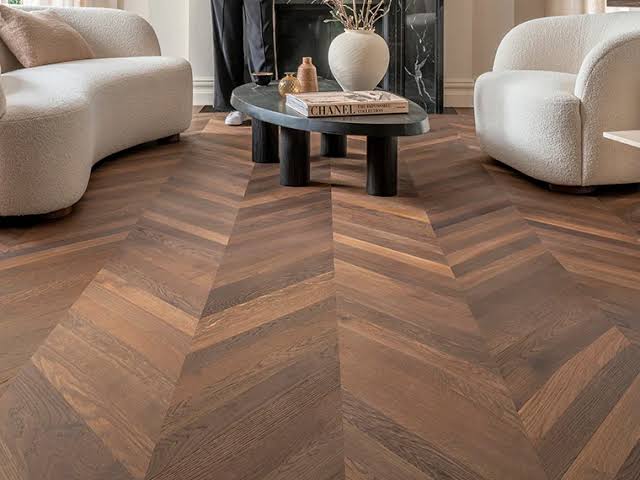
A floor carries more visual weight than many people expect. Before walls, furniture, or artwork settle into view, timber tone and pattern shape the room’s first impression. Parquetry brings that surface into sharper focus through blocks, angles, and repeated geometry. The result is a floor with movement, warmth, and discipline, where grain direction and layout work together rather than sit quietly beneath daily life.
Pattern With a Purpose
Timber selection, block dimensions, and setting out determine whether a room feels settled, formal, or lively. A careful plan for parquetry flooring adds direction without crowding the room. Herringbone, chevron, and French panel formats use rhythm and proportion to guide sightlines, soften awkward boundaries, and provide joinery, furniture, and light with a more coherent base.
Why Geometry Matters
Straight planks tend to stretch a room in one direction. Parquetry has a wider visual vocabulary. Angled layouts introduce movement, square panels create order, and repeated blocks build texture across the surface. This makes the floor an active design element instead of a background material waiting for rugs or furniture to define it.
Character From Timber Grain
Every timber species brings its own colour range, pore structure, and figure. European oak appears pale, even, and softly grained. Australian hardwoods can show deeper contrast, reddish undertones, or denser markings. Because parquetry uses smaller pieces, natural variation becomes part of the pattern. That visible change gives the floor depth without the need for ornate decoration.
Herringbone Appeal
Herringbone works because its zigzag design has energy while still feeling ordered. The layout suits hallways, living areas, bedrooms, and retail interiors. It can guide movement through narrow spaces or add texture across larger rooms. Pale finishes keep the effect quiet. Darker stains make each angle more pronounced and architectural.
Chevron Clarity
Chevron blocks meet at precise points, creating a cleaner directional line than herringbone. That sharp geometry can widen a room visually or draw attention along a chosen axis. It suits entries, dining areas, and spaces where symmetry matters. The pattern also adapts well to both restored homes and newer apartments with simpler detailing.
French Panel Detail
French panel formats offer a more decorative approach. Versailles-inspired panels, for example, combine framing, diagonals, and repeated internal lines. They often suit generous rooms, period interiors, and formal settings where the floor can carry visual weight. Since the pattern is detailed, nearby finishes usually work best when kept calm and well edited.
Solid or Engineered
Solid parquetry is made from full timber blocks and can often be sanded several times. Engineered parquetry has a real timber face over a layered base, which improves dimensional stability. Both can perform well when matched to site conditions. Subfloor type, moisture risk, heating, budget, and expected wear all influence the better specification.
Scale and Room Size
Scale needs careful judgement. Small blocks can bring detail to compact rooms, but too much pattern may feel crowded. Larger panels suit open plans because the geometry has space to read clearly. In hallways, directional lines can lead the eye forward. Broad living areas can accommodate more substantial layouts without overwhelming nearby furniture.
Colour and Finish
Colour changes the mood as much as pattern. Pale oak feels open and quiet, while warm brown tones add depth and a sense of age. Matte coatings reduce glare and make grain appear more natural. Satin finishes reflect a little light, which can lift darker rooms. Stains should relate to stairs, doors, joinery, or existing timber details.
Practical Strength
Parquetry can serve busy homes and commercial interiors when installed properly. Timber blocks tolerate daily wear, and individual damaged pieces may often be replaced. Regular sweeping removes grit before it scratches the coating. Suitable cleaners protect the finish, while felt pads reduce pressure marks under furniture. Careful preparation below the floor supports a long service life.
Design Balance
A patterned floor should have a clear relationship with the rest of the room. Strong parquetry usually pairs best with plain walls, quiet rugs, and clean furniture lines. Softer layouts go well with richer fabrics, bolder artwork, or deeper paint colours. Balance matters because pattern, colour, and texture all compete when no single element leads.
Conclusion
Parquetry gives timber flooring a stronger design while keeping the warmth that makes natural material so valued. Its character comes from proportion, grain, colour, and skilled installation working as one surface. With careful planning, it can suit classic houses, compact apartments, offices, and hospitality interiors. The best results feel considered rather than decorative, adding pattern with purpose and lasting practical value.









Post Comment