What You Need to Know Before Committing to a Full Roof Repaint
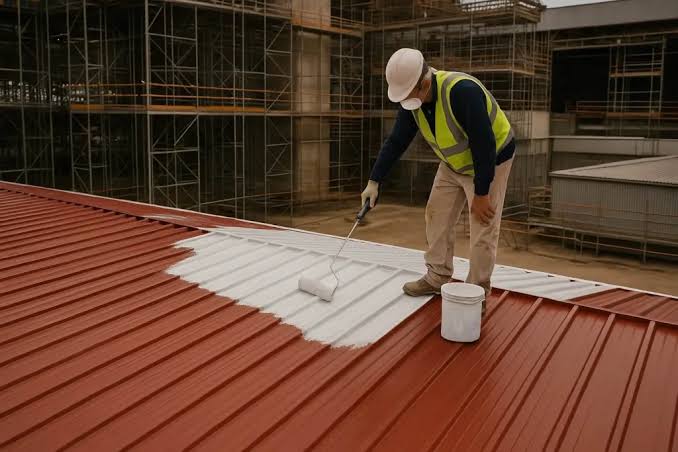
A full roof repaint should protect the home, improve kerb appeal, and slow surface wear from sun, rain, and airborne grime. Yet paint cannot compensate for cracked tiles, rusted fixings, loose ridge caps, or damp substrates. Before coating begins, the roof needs a close assessment, sound repairs, and compatible materials. Careful preparation reduces peeling, patchy colour, trapped moisture, and avoidable rework after the first harsh season.
Local Conditions Matter
Melbourne roofs face hot spells, cool changes, rain bursts, and moss-friendly shade, often within short periods. Anyone comparing services for roof painting in Melbourne should consider roof pitch, tile age, wind exposure, nearby trees, and the existing condition of the coating. These details guide washing pressure, repair order, primer choice, membrane thickness, and drying windows before any final coat is applied.
Inspection Comes First
A colour decision should wait until the roof has been properly checked. Broken tiles, slipped flashing, blocked valleys, worn bedding, and corroded metal can all allow water entry. Paint may hide those defects, but it will not stop movement or leaks. A careful inspection distinguishes cosmetic wear from structural weakness, which helps owners spend money where it matters first.
Cleaning Sets the Stage
Coating performance begins with the surface beneath it. Lichen, dirt, salt residue, chalking, and loose old paint can prevent proper bonding. Pressure cleaning should remove the build-up without driving water under laps or damaging porous tiles. Once washed, the roof needs adequate drying time. Primer applied over damp material can blister, soften, or fail before the finish has matured.
Repairs Protect the Finish
Small defects often shorten the life of a repaint. Cracked tiles need replacement, loose caps need to be secured, and failed pointing must be corrected before coating. Metal roofs may require rust conversion, fastener checks, and treatment around penetrations. These repairs reduce water pathways and surface movement. A stable base lets the coating cure evenly and resist early breakdown.
Product Choice Counts
Roof coatings are not all equal. Some suit concrete tiles, while others perform better on terracotta, cement, or metal. Porous surfaces may require a dedicated primer, as uneven absorption can lead to blotchy colour and weak adhesion. Owners should ask which coating system is proposed, how many coats are included, and whether the product is rated for local heat, rain, and ultraviolet exposure.
Colour Affects Comfort
Colour has a practical role as well as a visual one. Dark roofs absorb more solar heat, which can raise surface temperature during summer. Lighter tones may reduce heat gain, although house design and insulation also matter. Surrounding homes, council expectations, and exterior finishes should guide selection. A sample viewed from outside helps reveal how lighting and shade change throughout the day.
Timing Is Important
Weather controls much of the repaint schedule. Rain, dew, strong wind, and high heat can interfere with cleaning, priming, spraying, and curing. Contractors should allow sensible gaps between each stage rather than rushing through a narrow forecast window. Poor timing can leave lap marks, uneven sheen, or weak adhesion. A slower plan often produces a better finish.
Quotes Need to be Detailed
A reliable quote explains the scope, not just the price. It should list cleaning, repairs, primer, coating type, coat numbers, access needs, protection, and clean-up. Short quotes can leave costly gaps, especially where ridge repairs or rust treatment are excluded. Owners should compare inclusions, warranties, insurance, and roof experience before making a choice. Clear paperwork prevents confusion once work begins.
Safety Should Be Visible
Roof repainting involves working at heights, on wet surfaces, with chemicals, around electrical hazards, and in changing weather conditions. Safe access, harness points, stable ladders, footwear, and controlled work zones are basic expectations. Gardens, vehicles, gutters, solar panels, and neighbouring areas may need protection during washing or spraying. A well-run job looks orderly from the ground, with obvious care for people, property, and nearby surfaces.
Maintenance After Painting
A repainted roof needs ongoing care. Gutters should stay clear, branches should be trimmed back, and moss should be treated before it spreads. After storms or trade work, owners can look for chipped coating, displaced tiles, or debris in valleys. Light maintenance helps the finish remain clean and serviceable. It also supports warranty expectations over time.
Conclusion
A full roof repaint deserves more thought than just a colour choice and a booking date. The lasting result depends on inspection, cleaning, repairs, suitable coatings, safe access, and weather-aware scheduling. Owners who ask direct questions can identify weak scopes before committing their money. With sound preparation and realistic timing, a repaint can strengthen protection, sharpen presentation, and help preserve the home’s long-term value.








Post Comment