Why Grind and Seal Floors Suit Busy Spaces
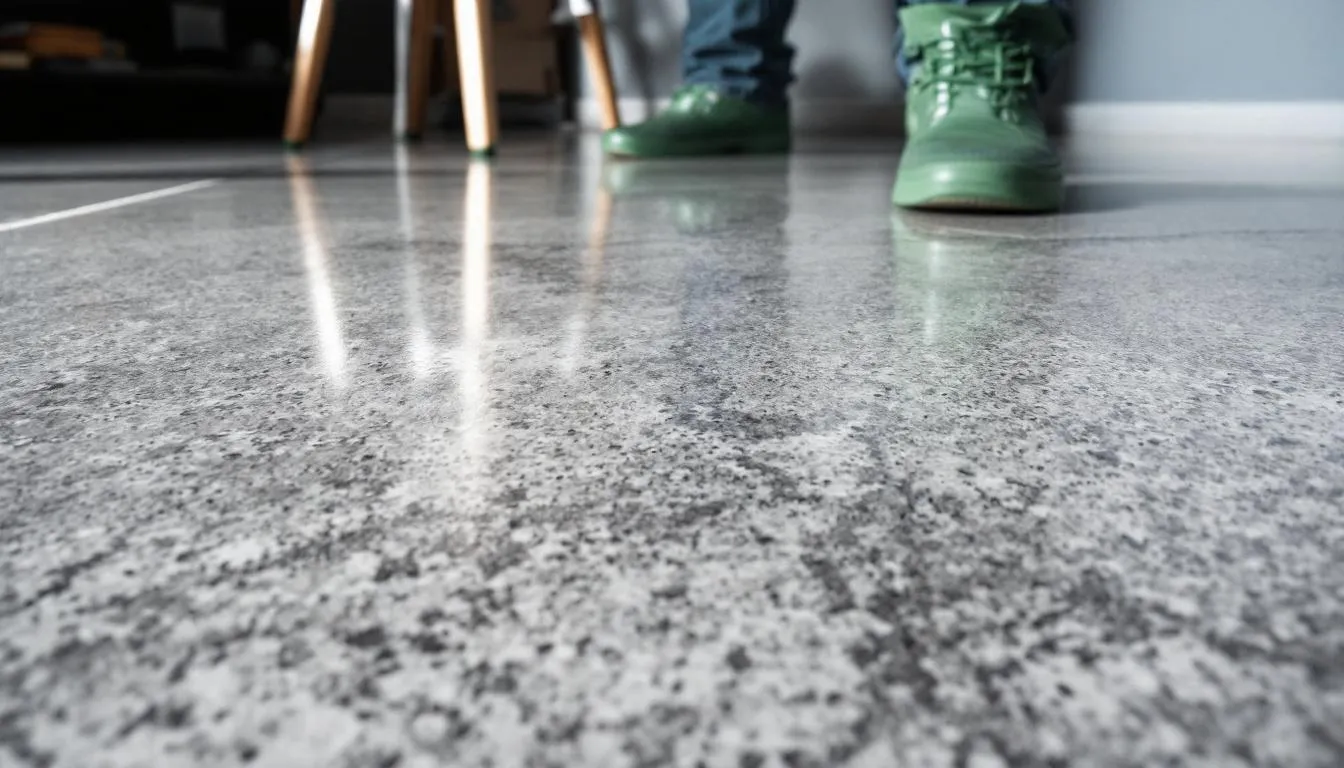
Crowded buildings ask a lot of a floor, steady footing, cleaner air, and fewer shutdown hours. Surface choices shape slip rates, cleaning fatigue, and how quickly grime spreads between rooms. Concrete performs well when its top layer is refined and sealed. Grind and seal systems tighten the surface, reduce porosity, and improve wipe-down efficiency. For sites juggling people, carts, and spills, predictable upkeep protects both safety and staff workload.
Daily traffic needs a predictable surface
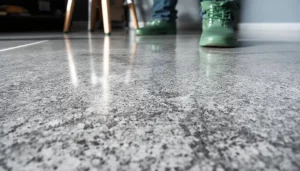
Many managers select a grind and seal concrete floor because untreated slabs shed fine dust and soak up liquids. Under constant movement, that residue travels on shoes, settles in air vents, and irritates eyes and throats. Sealing reduces absorption, so most mess stays on top for faster removal. For our shared areas, fewer particles and quicker cleanup can ease complaints and steady daily routines.
How grinding changes performance
Grinding removes weak surface paste, minor ridges, and small pits that catch wheels. A flatter plane helps trolleys track straight and lowers trip risk near thresholds. Reduced loose grit means less abrasive debris carried into adjacent rooms. In busy corridors, that drop in tracked dust can support clearer air and cleaner shelves. Traction also becomes more consistent, improving control during rapid movement.
Sealing controls moisture and staining
Concrete draws liquids through tiny channels, which drives staining and lingering odours. A suitable sealer slows that movement, keeping spills closer to the surface. Cleaning crews can lift residues with fewer aggressive chemicals and less repeated scrubbing. Around drink stations, bins, or entry points, reduced penetration limits blotchy discolouration. Over months, this moisture control leads to a steadier appearance and makes sanitation simpler.
Hygiene improves when pores are reduced
Open concrete holds grime in microvoids where mops cannot reach. After sealing, soils sit on a smoother film, so routine damp cleaning becomes more effective. In food zones or shared bathrooms, fewer hiding points can reduce persistent smells and sticky build-up. That matters for our facilities, since irritation from residual cleaners and trapped dirt can affect comfort. Cleaner surfaces also support confidence during peak hours.
Slip risk depends on texture and upkeep
Safety depends on surface profile plus cleaning habits, not shine alone. Grinding can be set to a finish that fits the site, from smoother lobbies to grippier, wet-prone areas. Sealer stabilises this texture by limiting crumbling and loose grit. Wet zones still need fast spill response, matting, and clear signage. With consistent procedures, daily traffic stays steadier during rush periods.
Downtime and cure windows matter
Many sites cannot close for long flooring work. Grind and seal projects can be staged by zones, keeping key routes open while other sections cure. Scheduling needs attention to ventilation, drying time, and safe re-entry for staff. By thoughtfully sequencing, we can reduce disruptions to deliveries, clinics, or class changes. A realistic timeline also prevents premature use that can scuff the finish before it hardens.
Noise, dust, and indoor air planning
Grinding can release fine particulates without proper capture, which can irritate airways and worsen respiratory symptoms. Effective extraction and containment reduce airborne spread during the job. Sound control matters in classrooms, treatment rooms, and retail floors so occupants can plan around louder hours. Clear communication helps protect concentration and sleep for nearby residents. When controls are applied well, post-project cleanup is lighter and quicker.
Maintenance stays simple with clear routines
A sealed slab usually needs dry dusting, then damp mopping with neutral cleaner. Strong acids or highly alkaline products can etch the film and leave a haze. Entry matting lowers grit that acts like sandpaper under shoes and wheels. Staff training prevents small mistakes, since one wrong detergent can dull the surface. A short checklist helps keep results consistent across shifts and contractors.
Long-term cost control and repair limits
Frequent resurfacing costs money and access time. Grind and seal work extends service life by strengthening the usable top layer and limiting liquid entry. When marks appear, spot re-polishing or a fresh coat can often restore the look without ripping up the floor. Budget planning becomes steadier because upkeep is scheduled, not crisis-driven. That predictability supports safer operations during busy seasons.
Where this finish fits best
Retail aisles, warehouses, cafés, schools, gyms, and lobbies often suit sealed concrete. Each site should weigh traction needs, spill frequency, and available cleaning labour. A lightly reflective finish can also support brighter interiors, helping visibility without overreliance on harsh lighting. With the right surface profile and sealer type, the floor can handle varied use without constant intervention.
Conclusion
Grind-and-seal floors fit busy spaces because they limit dust, reduce absorption, and simplify cleaning while supporting steadier footing. Grinding evens the surface, and then sealing forms a protective film that handles routine spills with less staining. Good planning covers air control, noise timing, and staged access to avoid disruption. With neutral cleaning products and consistent routines, our shared facilities can keep a durable, hygienic finish for years.








Post Comment