What to Expect During a Professional Meth Cleaning Service
Introduction
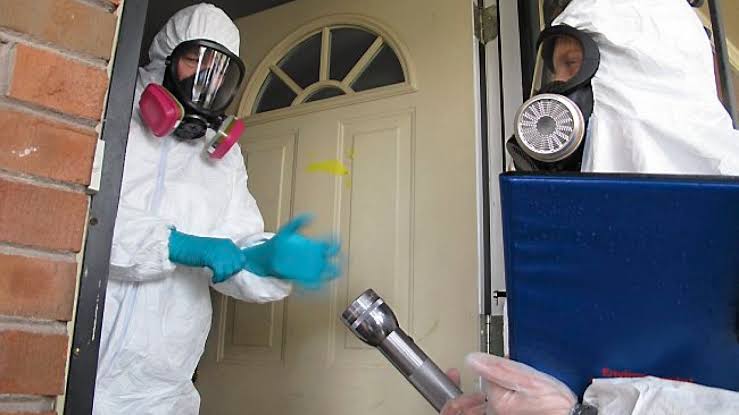
A professional meth cleaning service follows a clear sequence, from property assessment through final testing. Trained technicians first identify affected areas, control movement through the building, and select suitable cleaning methods. Personal protective equipment, containment barriers, and approved disposal practices help reduce exposure risks. Each stage supports a safer property outcome. Clear communication also helps owners, landlords, tenants, and agents understand what happens, how long work may take, and what evidence confirms completion.
Why Professional Cleaning Matters
Meth residue can remain on walls, ceilings, floors, fixtures, and household contents after production or use. Ordinary household products may leave behind contamination that cannot be seen or safely measured. Choosing meth cleaning in NZ gives property stakeholders access to trained workers, suitable equipment, controlled procedures, and post-remediation checks. Professional treatment reduces uncertainty while supporting decisions about reoccupation, repair, disposal, or further investigation.
Initial Property Assessment
The visit usually begins with a discussion about the property’s history, concerns, and known test results. Technicians inspect rooms, ventilation points, surfaces, furnishings, and areas linked with suspected activity. This review helps identify likely contamination zones and possible cross-contamination routes. Findings guide the work plan, required equipment, protective measures, and estimated timeframe. Photographs and written notes may also support clear records for owners or managers.
Surface Testing and Planning
Testing helps establish whether residue is present and where attention should focus. Samples may be collected from selected surfaces before physical cleaning starts. Results, visible conditions, and property history help technicians set priorities. A written plan can separate affected materials from items suitable for treatment. This stage also identifies damaged porous goods, restricted areas, and access requirements. Careful preparation prevents unnecessary disturbance and supports a more controlled response.
Containment and Worker Protection
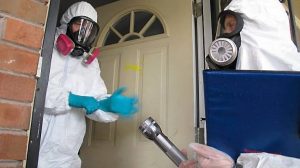
Before cleaning begins, technicians establish controls around the work area. Doors, vents, and other openings may be sealed to limit residue movement. Protective clothing, gloves, eye protection, and suitable respiratory equipment help guard workers against exposure. Occupants, pets, and unrelated contractors should remain away from controlled zones. Waste is handled in secure packaging, with disposal arrangements based on contamination levels and applicable requirements.
Cleaning Contaminated Surfaces
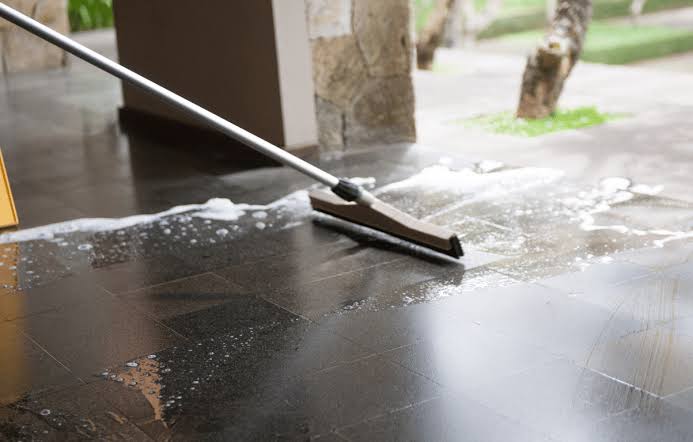
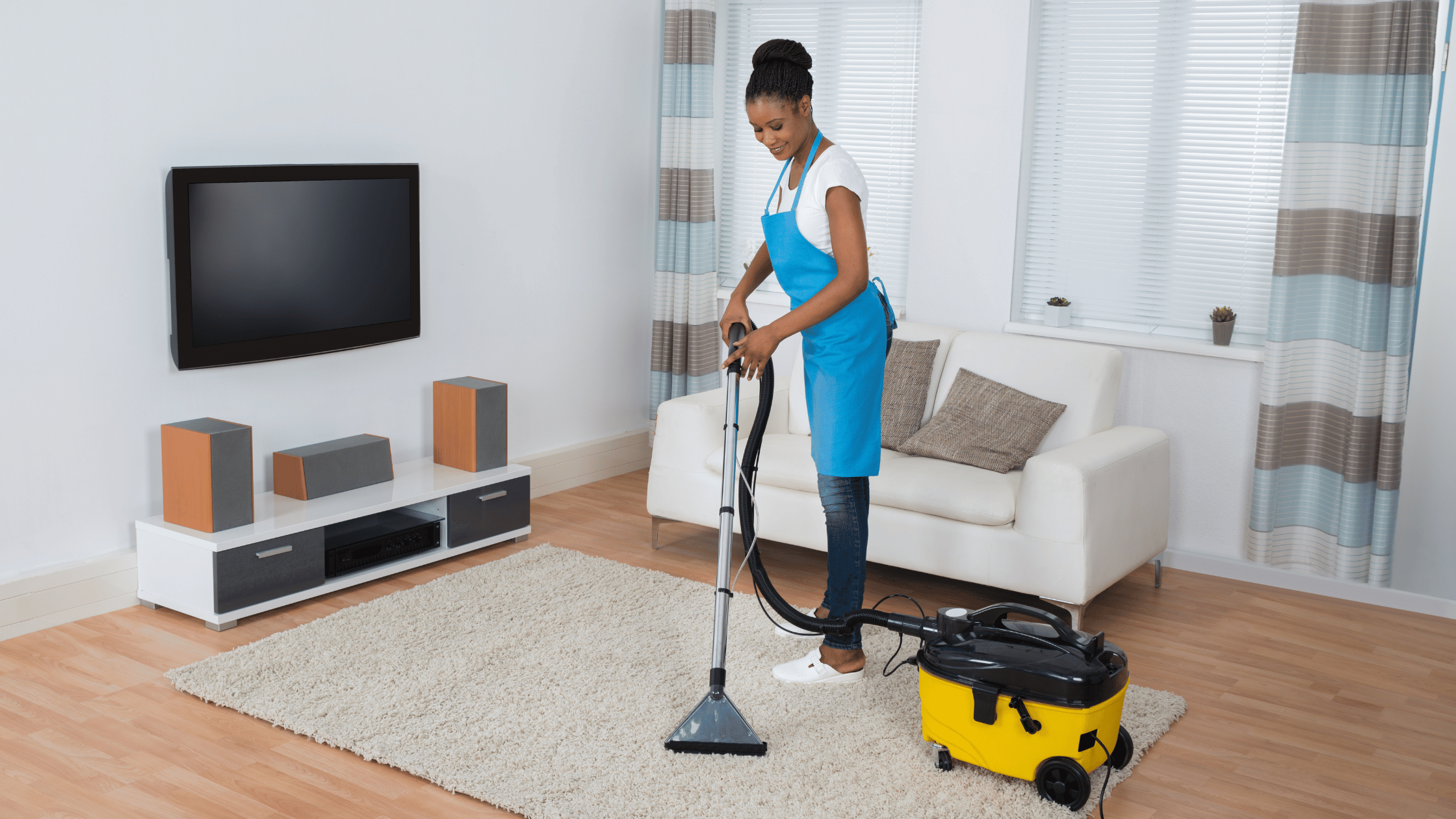
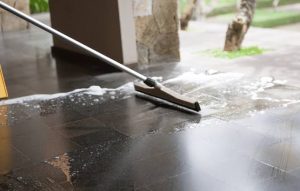
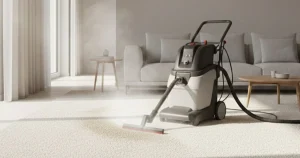
Cleaning methods depend on the material, residue level, room condition, and test findings. Technicians use approved products and equipment to treat walls, ceilings, floors, cabinetry, fixtures, and other accessible surfaces. Work often proceeds from cleaner areas towards more affected sections, reducing the chance of spreading residue. Repeated treatment may be required where contamination has absorbed into materials. Strong odours can also receive attention during the cleaning stage.
Contents, Fixtures, and Porous Goods
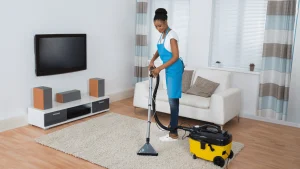
Household contents receive separate consideration because some items can retain residue within fibres, foam, timber, or layered materials. Technicians assess furniture, curtains, mattresses, appliances, and personal belongings before recommending treatment or removal. Items that cannot be cleaned safely may require disposal. Decisions should balance condition, material type, replacement cost, and test results. This approach helps prevent contaminated goods from returning to treated rooms.
Post-Remediation Testing
After physical work finishes, independent or follow-up testing checks whether treated areas meet the relevant safety benchmark. Sampling locations should reflect the earlier assessment and the areas that received attention. Results provide measurable evidence rather than relying on appearance or odour alone. If a sample remains above the accepted threshold, additional cleaning or material removal may be needed before another test takes place.
Final Records and Handover
A completed service may include test results, work notes, photographs, disposal details, and a clearance document where applicable. These records help owners, property managers, insurers, tenants, and real estate professionals understand the outcome. Technicians can also explain areas that remain restricted, repairs that are still required, or conditions for safe reoccupation. Keeping the documentation with property files supports future maintenance and informed decisions.
Conclusion
Professional meth cleaning involves more than wiping visible surfaces. It combines assessment, testing, containment, protective equipment, controlled treatment, waste handling, and final verification. Each stage addresses a different risk and contributes to a reliable property outcome. Owners and managers should expect clear explanations, documented findings, and practical guidance throughout the service. With proper testing and suitable remediation, affected premises can move closer to safe, informed reoccupation.




Post Comment