Preparing Your Home for Professional Carpet Cleaning: A Complete Checklist
Introduction
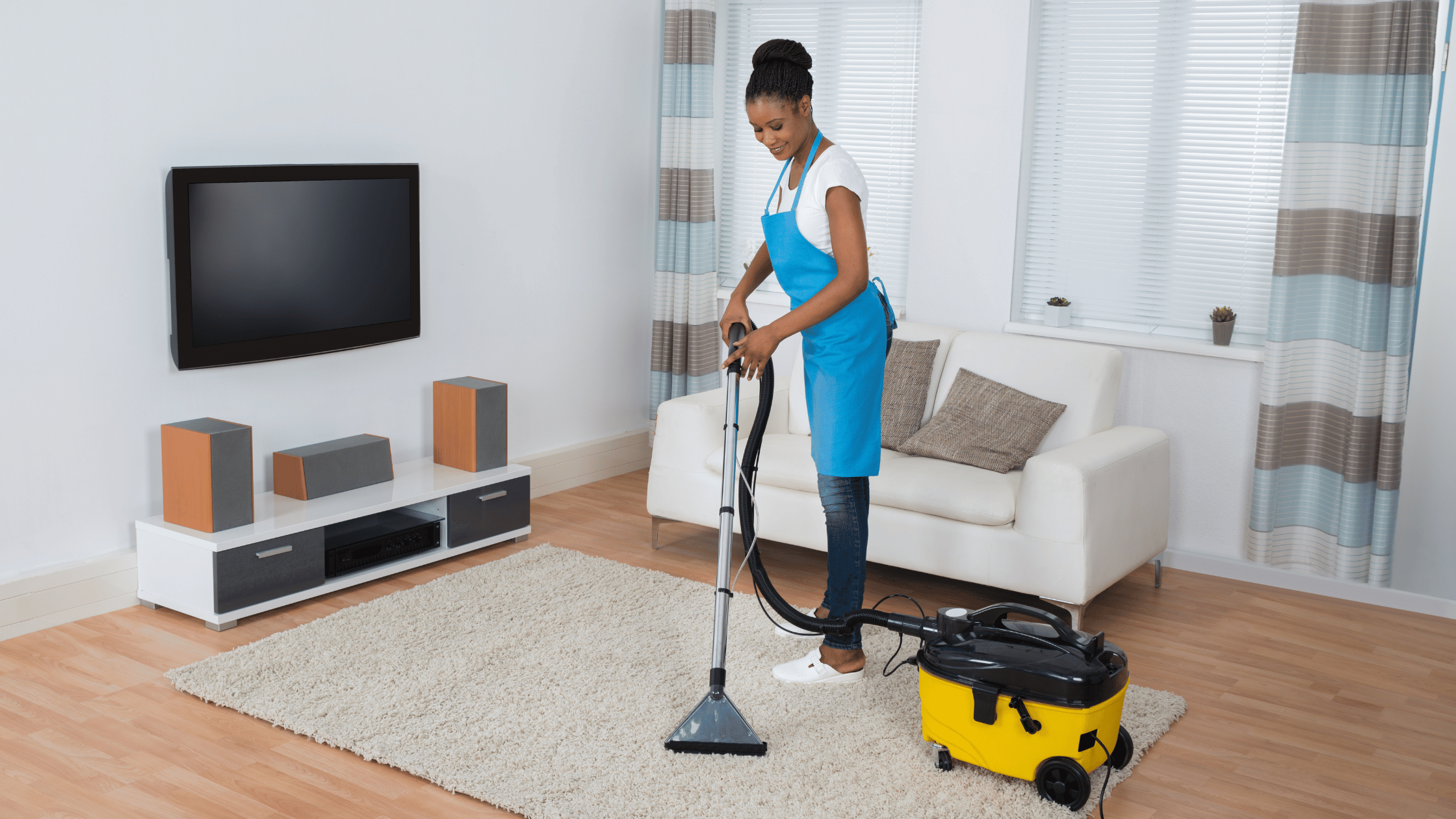
A professional carpet service can lift soil, reduce trapped allergens, and improve how a room feels underfoot. Results often depend on preparation done before the technician arrives. Small actions save time, protect fragile items, and help every treated area receive proper attention. This checklist gives households a clear sequence to follow, from basic tidying to access planning, so the appointment runs smoothly and the carpet dries with fewer interruptions.
Start With The Booking Details
Before any furniture moves, households should confirm arrival windows, room count, and drying expectations. Local weather can affect ventilation plans, especially in humid suburbs. Many residents who book Carpet Cleaning in Coomera also check stain concerns, fibre types, and parking access early, because those details help crews bring suitable equipment and move through each space without delays or guesswork.
Clear Loose Items First
Small objects slow progress and raise the chance of accidental damage. Families should remove toys, shoes, baskets, cables, and lightweight decor from carpeted zones. Another smart step involves emptying low shelves near treated areas. That simple reset gives cleaners direct access to edges, corners, and traffic paths. It also makes post-service setup faster once floors are dry.
Vacuum Before The Visit
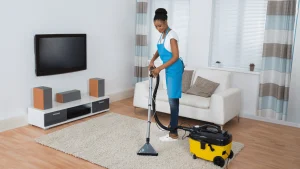
Vacuuming is still useful before a deep service. Dry debris, hair, and surface grit can be lifted quickly at home, which leaves professional equipment to target embedded soil. Fresh vacuum passes also reveal marks that need special attention. If a stain appears older than expected, the household can mention it before work begins, which helps set realistic treatment expectations.
Make Stains Easy To Identify
Visible marks should be noted before the appointment starts. A small paper tag beside each spot can help, especially in larger homes with similar carpet shades. Some stains look minor after vacuuming, yet they still require targeted treatment. Families should avoid spraying random products beforehand, because residue can affect extraction performance and may fix a blemish more deeply into fibres.
Protect Breakables And Valuables
Cleaning hoses, corner tools, and furniture movement can create tight working conditions. For that reason, lamps, ceramics, photo frames, and small electronics should be moved to a secure room. Jewellery, cash, and personal documents also deserve separate storage during the visit. That step protects belongings and lets technicians focus on the floor, rather than navigating around delicate items.
Plan Furniture Moves In Advance
Heavy pieces often stay in place, while lighter items can be shifted before arrival. Each household should ask which approach the service prefers. Dining chairs, side tables, and ottomans are usually easiest to remove early. Beds, cabinets, and loaded bookcases may need to remain. A simple plan prevents confusion and reduces the risk of dragging damp fibres after treatment.
Create Safe Access Routes
Technicians need clear paths from entry points to each room. Hallways, stairs, and doorways should stay free of bikes, prams, and storage tubs. If the service vehicle needs close parking, households should reserve space where possible. Pets also need a separate area during the visit. Quiet containment keeps animals safe and helps workers manage doors, hoses, and chemicals properly.
Support Good Ventilation
Airflow matters after extraction. Windows can be opened where weather permits, and ceiling fans can run on a moderate setting. Air conditioning may also help manage indoor moisture during humid periods. Good circulation can shorten drying time and lower musty odours. Families should also plan foot traffic, because stepping on damp carpet too early may flatten pile and transfer fresh dirt.
Prepare Children And Daily Routines
Busy homes benefit from a short plan for the appointment period. Meals, naps, remote work, and school pickups can all affect room access. Young children should know which spaces are off limits during and after cleaning. Another useful step involves setting aside clean socks or indoor slippers. That keeps treated areas cleaner while fibres finish drying and settling.
Ask Final Questions Before Work Begins
A short conversation at the door can prevent later confusion. Households should confirm expected finish time, drying estimate, stain limits, and any aftercare advice. It also helps to ask when furniture can return safely. If protective tabs or blocks are used, someone should know whether they stay overnight. Clear answers help everyone follow the right steps after the crew leaves.
Conclusion
Preparation shapes the value of a carpet cleaning appointment more than many households expect. Clearing access, marking stains, protecting valuables, and planning airflow all help the service work efficiently. Those steps also reduce stress during drying and make it easier to return rooms to normal use. With a simple checklist followed in order, homes stay organised, carpets receive better care, and the whole visit feels far more manageable.






Post Comment