How to Clean Different Types of Floor Tiles Without Causing Damage
Introduction
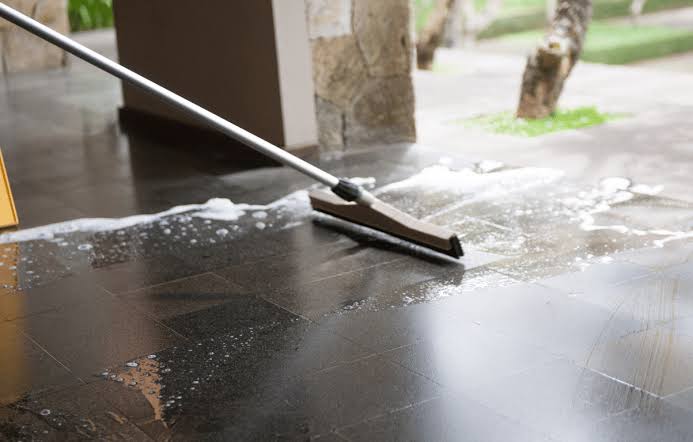
Floor tiles can handle regular use, yet unsuitable products and rough tools may cause dullness, scratches, stains, or surface wear. Each material needs a cleaning method that matches its finish, porosity, and grout condition. Ceramic usually tolerates gentle detergents, while natural stone requires greater care. A sensible routine removes loose soil first, limits moisture, and tests unfamiliar solutions in a hidden spot. These simple steps help keep indoor and outdoor surfaces presentable for longer.
Begin With a Surface Check
Tile care starts with identifying the material, finish, and grout condition. Regular sweeping removes grit before wet cleaning begins. For deeper support, tile cleaning adelaide services can assess ceramic, porcelain, stone, terracotta, quarry surfaces, balconies, pool surrounds, and outdoor pavers. A surface check helps determine suitable pressure, solution strength, drying time, and stain treatment, reducing the chance of avoidable marks or etching.
Ceramic Tiles
Ceramic tiles generally respond well to warm water and a small amount of pH-neutral detergent. A soft mop can lift everyday soil without leaving rough scratches. Excess liquid should be removed quickly, especially beside walls and cabinets. Abrasive powders may dull glossy finishes, while stiff brushes can disturb older grout. For greasy kitchen areas, a mild degreaser should be diluted according to its label.
Porcelain Tiles
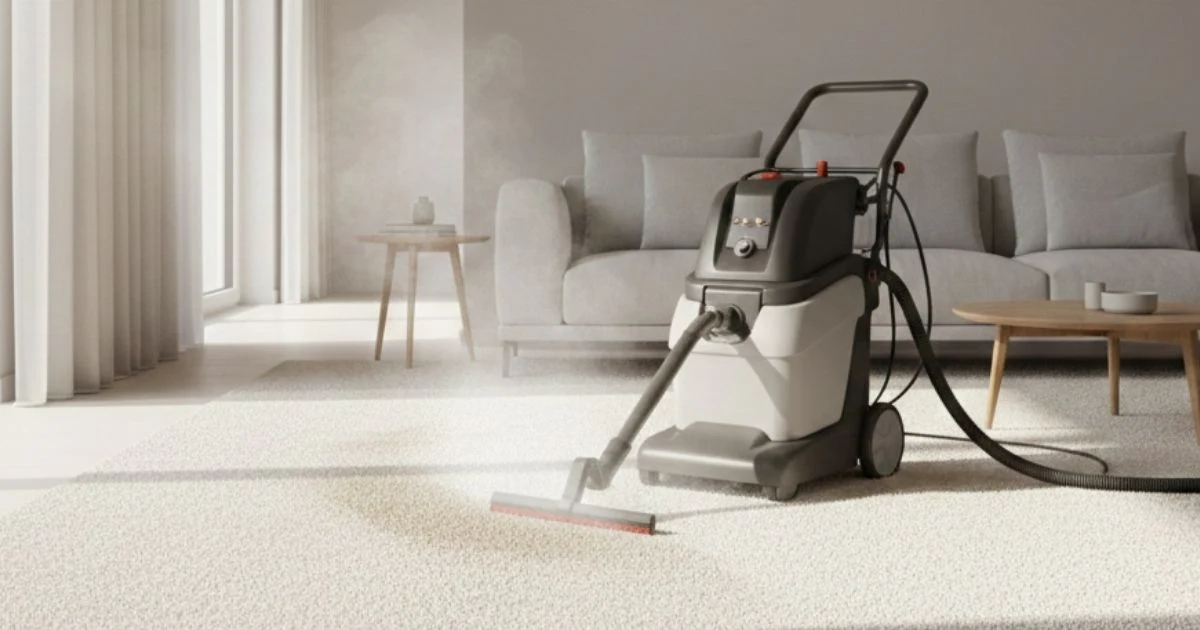
Porcelain has a dense structure, although textured finishes can hold grit in small grooves. Vacuuming with a hard-floor setting should come first. A microfiber mop and clean water usually manage routine marks. Streaks often result from excess detergent, so a second pass with fresh water can help. Polishing waxes should be avoided unless the manufacturer confirms compatibility with that particular finish.
Natural Stone Floors
Marble, travertine, slate, and limestone can react badly to acidic products. Vinegar, lemon juice, bathroom descaler, and strong rust removers may leave pale etch marks. A stone-safe cleaner with balanced pH is a better choice. Soft pads reduce abrasion on polished areas. Absorbent stones should receive limited water, followed by prompt drying with clean towels.
Terracotta and Quarry Tiles
Terracotta and quarry tiles usually contain more pores than glazed products. Their surfaces can absorb dirty water, oil, or coloured solutions. Dry soil should be removed before a lightly damp mop is used. Strong alkaline cleaners may strip protective coatings or alter the colour. After washing, airflow helps moisture leave the joints. A suitable sealer can reduce future absorption, but compatibility should be checked first.
Glazed and Textured Finishes
Glazed surfaces need gentle treatment because harsh scouring can create tiny scratches. Textured tiles require extra passes with a soft brush, particularly near entrances and cooking areas. The brush should follow the tile profile rather than press hard against it. Clean water must be changed once it becomes cloudy. Dirty rinse water can spread fine particles across a freshly washed floor.
Grout Lines
Grout often holds more soil than the tile face. A soft nylon brush and diluted neutral cleaner can loosen light discolouration. Bleach may weaken some joints, fade coloured grout, or irritate nearby materials. Steam equipment should be used carefully because heat and moisture can affect aged grout. Persistent mould, darkening, or hardened residue may need controlled professional treatment.
Outdoor Tiles and Pavers
Outdoor surfaces collect leaves, algae, mud, and airborne grit. Sweeping should remove loose debris before rinsing begins. Pressure must suit the tile, joint condition, and surrounding surface. Excessive force can chip edges, remove sand from joints, or push water beneath loose sections. Drainage should be checked before washing. A dry period after cleaning allows shaded areas to lose moisture more effectively.
Products and Tools to Avoid
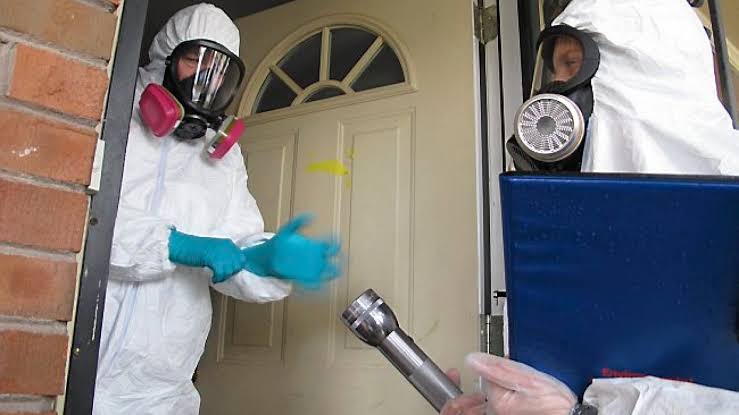
Wire brushes, scouring powders, undiluted acids, and rough steel pads can mark many tile types. Oil-based soaps may leave a slippery film that attracts more soil. Mixing cleaning products can release harmful fumes or reduce their effectiveness. Product labels should be read before use, with gloves and ventilation provided where recommended. A small test patch remains the safest first step.
Create a Practical Routine
A weekly schedule can include sweeping, spot cleaning, and a light damp mop. Busy kitchens, bathrooms, and entryways may need more frequent attention. Spills should be blotted promptly instead of rubbed across the surface. Furniture feet can receive protective pads to reduce scratches. Deep cleaning may be considered when grout remains dark after routine washing, or when a floor feels greasy after drying.
Conclusion
Different tiles need different levels of moisture, pressure, and chemical strength. Ceramic and porcelain usually suit mild detergent, while marble, travertine, slate, and limestone need stone-safe products. Terracotta, quarry surfaces, grout, and outdoor pavers require careful drying and controlled force. Regular sweeping, prompt spill removal, and a hidden patch test can prevent many problems. When stains remain after sensible care, a trained cleaner can assess the surface and select a safer treatment.







Post Comment